
The Energy Blueprint: 10 Science-Backed Ways to Boost Your Energy Naturally
Jul 12, 2026
Dr. Jon Repole
Have you ever wondered why some people seem to have endless energy while others struggle just to make it through the afternoon?
Many people assume fatigue is simply part of getting older. It isn't.
While occasional tiredness is normal, living in a constant state of exhaustion isn't. More often than not, low energy is your body's way of telling you something is out of balance.
The good news is that you don't need another cup of coffee to create lasting energy. Real energy comes from optimizing how your cells produce it in the first place.
Here are ten of my favorite strategies that I regularly recommend to patients looking to restore their vitality naturally.
1. Eat More Living Foods
If you want more energy, start by eating foods that are full of life.
Fresh fruits, vegetables, sprouts, herbs, legumes, nuts, and seeds are naturally rich in vitamins, minerals, fiber, water, antioxidants, and thousands of beneficial plant compounds that nourish your cells and support healthy energy production.
Now think about how you feel after eating a large plate of pasta, pizza, or another heavy processed meal. For many people, it's followed by brain fog, sluggishness, and the urge to take a nap.
Compare that to how you feel after eating a colorful salad, fresh fruit, or a nutrient-dense smoothie. Most people describe feeling lighter, clearer, and more energized.
Here's a simple thought experiment.
Take a ripe banana and leave it on your kitchen counter. Over the next several days it will begin to soften, brown, and eventually break itself down. Now place a box of dry pasta beside it. A week later...or even a year later...the pasta will look almost exactly the same.
Which one is alive?
Living foods naturally change because they are biologically active. Highly processed foods are designed for shelf life, not life.
The closer your food is to nature, the more nutrients, fiber, water, and beneficial plant compounds it generally contains to support your body's ability to produce energy and thrive.
Challenge: Go completely plant-based for the next 30 days!
2. Exercise Smarter, Not Longer
Movement creates energy.
One of the biggest misconceptions is that you need to spend hours in the gym.
Even just 10–20 minutes of intentional movement can dramatically improve mitochondrial function, circulation, insulin sensitivity, mood, and energy production.
One approach I particularly like is REHIT (Reduced Exertion High-Intensity Training).
Unlike traditional cardio, REHIT uses very short bursts of all-out effort followed by recovery. Research suggests it can significantly improve cardiovascular fitness and metabolic health in just a few minutes per session.
How to Perform REHIT
REHIT works best on a stationary bike, although it can also be done on a rowing machine, treadmill, or elliptical.
- Warm up at an easy pace for 2–3 minutes.
- Sprint as hard as you safely can for 20 seconds. Your effort should feel close to maximal—around a 9–10 out of 10.
- Recover by pedaling, walking, etc. slowly for 2–3 minutes.
- Repeat one more 20-second sprint.
- Cool down for another 2–3 minutes.
The entire workout takes about 8–10 minutes, yet it can provide many of the cardiovascular and metabolic benefits of much longer exercise sessions.
If you're new to exercise or have heart disease, high blood pressure, or other medical conditions, talk with your healthcare provider before beginning high-intensity training.
Challenge: Walk 30 minutes most days of the week, and add two REHIT workouts each week. You'll likely notice improvements in energy, endurance, and mental clarity—all while spending less time exercising.
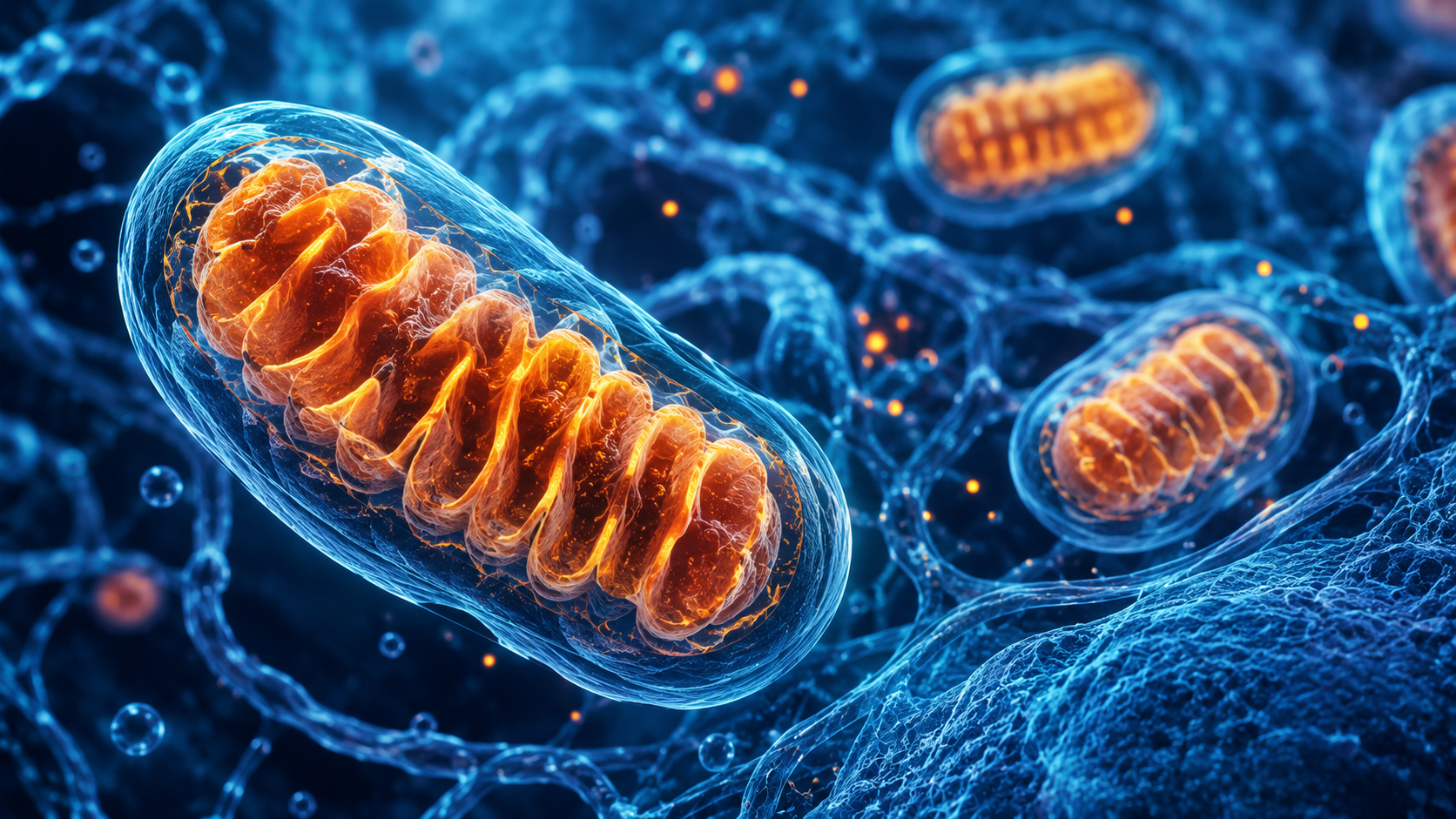
3. Support Your Cellular Powerhouses
If energy were a currency, your mitochondria would be the mint.
These tiny structures are found inside nearly every cell in your body and are responsible for producing ATP—the energy that powers everything from your heartbeat and brain function to muscle contraction and cellular repair.
When your mitochondria are healthy, you feel energized, mentally sharp, and resilient.
When they become damaged or inefficient from chronic stress, poor nutrition, toxins, aging, or inflammation, fatigue is often one of the first symptoms to appear.
Fortunately, there are several ways to support healthy mitochondrial function.
Red Light Therapy
One of my favorite tools is red and near-infrared light therapy.
These wavelengths of light are absorbed by the mitochondria and help stimulate cellular energy production. Many people notice improvements in energy, recovery, muscle soreness, skin health, and overall vitality with regular use.
A typical session lasts 10–20 minutes, several times per week.
Mitochondrial Nutrients
Your mitochondria also require the right nutritional building blocks to function efficiently.
Some of my favorite mitochondrial-supporting nutrients include:
- B-Complex Vitamins – Essential cofactors that help convert the food you eat into usable cellular energy (methylfolate, methylcobalamin, riboflavin-5-phosphate, P5P, etc.).
- Coenzyme Q10 (CoQ10) – A critical component of the electron transport chain that supports ATP production, especially as we age or for individuals taking statin medications.
- PQQ (Pyrroloquinoline Quinone) – Supports healthy mitochondrial function and may promote the formation of new mitochondria.
- Acetyl-L-Carnitine – Helps transport fatty acids into the mitochondria where they can be converted into energy.
- Alpha-Lipoic Acid (ALA) – A powerful antioxidant that helps protect mitochondria from oxidative stress while supporting healthy glucose metabolism.
- Magnesium – Required for hundreds of enzymatic reactions, including those involved in ATP production.
- NAD+ Support – NAD is a critical molecule involved in cellular energy production and healthy aging. Supporting NAD levels through appropriate nutrition or targeted supplementation may help optimize mitochondrial function, particularly as natural levels decline with age.
- Urolithin A – A natural compound produced by certain gut bacteria when they break down polyphenols (ellagitannins) found in foods like pomegranates, walnuts, and berries. It supports mitophagy—your body's process of removing old, damaged mitochondria so they can be replaced with healthier, more efficient energy-producing cells.
An Advanced Strategy: Methylene Blue
Another emerging area of interest is low-dose pharmaceutical-grade methylene blue, used under the guidance of a knowledgeable healthcare professional.
Methylene blue has been studied for its ability to support mitochondrial electron transport and ATP production. Some clinicians also use it prior to red light therapy, as it may act as a photosensitizer and potentially enhance the cellular response to light. While this approach is promising, research is still evolving, and it should be considered an advanced strategy—not a first step for everyone.
Important: Methylene blue can interact with certain medications, particularly SSRIs and other serotonergic drugs, and is not appropriate for everyone. It should only be used under the supervision of a qualified healthcare provider.
Challenge:
If you're looking for a simple place to start, begin with the fundamentals:
- Use red light therapy for 10–20 minutes, 3–5 times per week.
- Eat a nutrient-dense, whole-food diet rich in B vitamins and magnesium.
- Stay physically active to stimulate mitochondrial growth.
- Consider a full-spectrum mitochondrial support supplement.
3. Try Intermittent Fasting
This one surprises many people.
How can eating less create more energy?
Most Americans have become carbohydrate adapted, meaning they rely almost entirely on glucose for fuel.
Intermittent fasting helps your body become more metabolically flexible, allowing it to burn stored fat for energy when food isn't immediately available.
Many people notice improved mental clarity, steadier energy, and fewer afternoon crashes once their body learns to efficiently switch between fuel sources.
Challenge: Start by eating all of your meals within a 6–8 hour window 3–5 days per week. This simple habit can help improve metabolic flexibility, support fat burning, and promote more stable energy throughout the day.
5. Get Outside Every Day
Nature is one of the most overlooked energy boosters.
Morning sunlight helps regulate your circadian rhythm, improves sleep quality, supports hormone balance, and naturally increases daytime alertness. It also stimulates your skin to produce vitamin D, an essential nutrient involved in immune function, bone health, muscle strength, mood regulation, and healthy energy production. In fact, low vitamin D levels are commonly associated with fatigue, low mood, and decreased overall well-being.
Fresh air, walking, and simply spending time in green spaces can also lower stress hormones while improving mood, mental clarity, and overall resilience.
Challenge: Spend 20–30 minutes outside every day, preferably within the first hour after waking. Take a walk, enjoy your morning coffee on the porch, or simply sit in the sunshine. Your brain, body, and mitochondria will thank you.

6. Lower Chronic Stress
Stress doesn't just affect your mind.
It affects your entire biology.
When you're constantly operating in fight-or-flight mode, your body diverts resources away from healing, digestion, hormone balance, immune function, and long-term energy production. Over time, chronic stress can literally drain your body's batteries.
The goal isn't to eliminate stress—it's to become better at recovering from it.
Simple daily practices can make a tremendous difference:
- Slow diaphragmatic breathing
- Straw breathing
- Meditation
- Heart coherence exercises
- Gratitude practice
- Time in nature
- Specialized devices: biofeedback and/or vagus nerve simulator
How to Practice Slow Diaphragmatic & Straw Breathing
Place one hand on your chest and the other on your abdomen. As you inhale slowly through your nose for about 4–5 seconds, allow your belly—not your chest—to gently expand. Then purse your lips as if you're blowing through a straw and slowly exhale for 6–8 seconds, making the exhale longer than the inhale. This longer, controlled exhale helps activate the vagus nerve and shifts your body from a stressed state into a calmer, restorative one.
Repeat for 1–2 minutes. It only takes a few breaths to begin changing your physiology.
Challenge: Set a reminder on your phone and practice 1 minute of slow diaphragmatic breathing followed by straw breathing every hour while you're awake. It may seem almost too simple, but these small "physiological resets" throughout the day can significantly lower stress, improve focus, support digestion, activate your body's relaxation response, and help conserve energy instead of constantly burning through it. Consistency is the key—the cumulative effect of these one-minute breathing breaks can be remarkably powerful.
7. Reset Your Circadian Rhythm
Chronic stress can leave you feeling wired but tired—exhausted, yet unable to truly relax. Over time, this constant demand on your nervous system can disrupt your natural cortisol rhythm, making it harder to wake up energized, stay focused during the day, and unwind at night.
While nutrition, sleep, and stress-management practices should always come first, targeted supplementation can sometimes provide additional support.
Here are a few examples that I commonly recommend based on an individual's needs:
- Adaptogen R3® (Premier Research Labs) – A synergistic blend of adaptogenic herbs designed to help your body better adapt to physical, mental, and emotional stress. It can be particularly helpful for people who feel "wired and tired," supporting a healthier stress response without acting like a stimulant.
- American Ginseng (Premier Research Labs) – Unlike caffeine, American ginseng helps promote more sustained, balanced energy by supporting healthy adrenal function and reducing fatigue. It's one of my favorite options for people who experience an afternoon energy crash but don't want to rely on another cup of coffee.
- Tranquinol® (Premier Research Labs) – Taken in the evening, Tranquinol helps calm the nervous system and prepare the body for restorative sleep. I often recommend pairing it with blue-light blocking glasses after sunset. Blue light from phones, tablets, televisions, and LED lighting suppresses melatonin production, making it harder to fall asleep and disrupting your natural circadian rhythm. Reducing blue light exposure allows your brain to recognize that it's nighttime, helping you fall asleep more easily and wake feeling more refreshed.
Challenge: For the next 7 days, create an evening "wind-down ritual." Put on blue-light blocking glasses two hours before bed, dim the lights, avoid screens whenever possible, and give your brain permission to transition into sleep mode. Pair this with a relaxing routine—reading, gentle stretching, meditation, or journaling—and notice how your sleep quality and daytime energy begin to improve.
8. Balance Your Blood Sugar
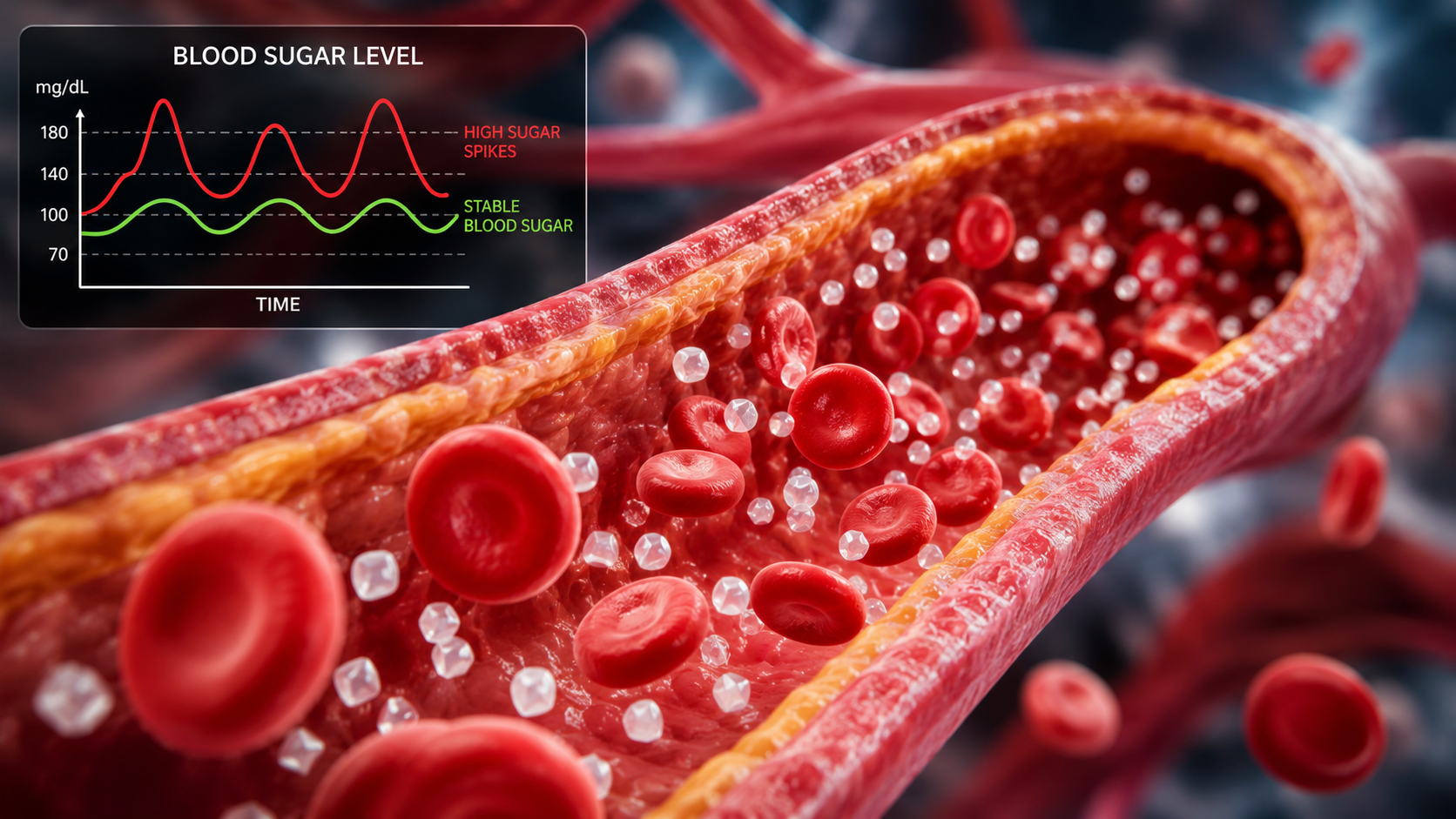
One of the biggest causes of low energy isn't a lack of sleep—it's unstable blood sugar.
Think about the last time you ate a sugary breakfast, pastry, soda, or a large bowl of refined carbohydrates. You probably experienced a quick burst of energy...followed by an afternoon crash, brain fog, hunger, or cravings for more sugar.
That's the blood sugar roller coaster.
Every time your blood sugar spikes rapidly, your body releases insulin to bring it back down. When blood sugar falls too quickly, your energy often falls with it.
The goal isn't to eliminate carbohydrates—it's to create steady, sustained energy by keeping your blood sugar as stable as possible throughout the day.
Simple strategies that can make a tremendous difference include:
- Eat REAL FOOD!
- Fill half your plate with fiber-rich vegetables.
- Take a 10–15 minute walk after meals.
For individuals who need additional support, I often recommend Glucose Manager® by Premier Research Labs. This comprehensive formula contains nutrients and botanicals that help support healthy glucose metabolism and insulin sensitivity, promoting steadier energy throughout the day while helping reduce the highs and lows associated with blood sugar fluctuations.
9. Fuel Your Brain with Creatine
When most people hear the word creatine, they think of bodybuilders.
But creatine isn't just for building muscle—it's one of the most researched supplements for supporting brain energy as well.
Every thought you think, every memory you form, and every decision you make requires energy. Your brain uses nearly 20% of your body's total energy, and creatine helps replenish ATP, the primary energy currency that powers every cell in your body.
Emerging research suggests creatine may help support:
- Mental clarity and focus
- Memory and cognitive performance
- Mental energy during periods of stress or sleep deprivation
- Muscle strength and recovery
- Healthy aging and overall cellular energy production
My preferred form is Creatine Monohydrate because it's the most studied, effective, and cost-efficient form available.
10. Reset Your Nervous System with a Cold Face Plunge
Looking for a quick, natural energy boost?
Cold exposure has become increasingly popular for its ability to improve alertness, support recovery, and strengthen resilience. While some people choose more advanced methods like full-body cold plunges, ice baths, or cryotherapy, you don't have to immerse your entire body to experience many of the nervous system benefits.
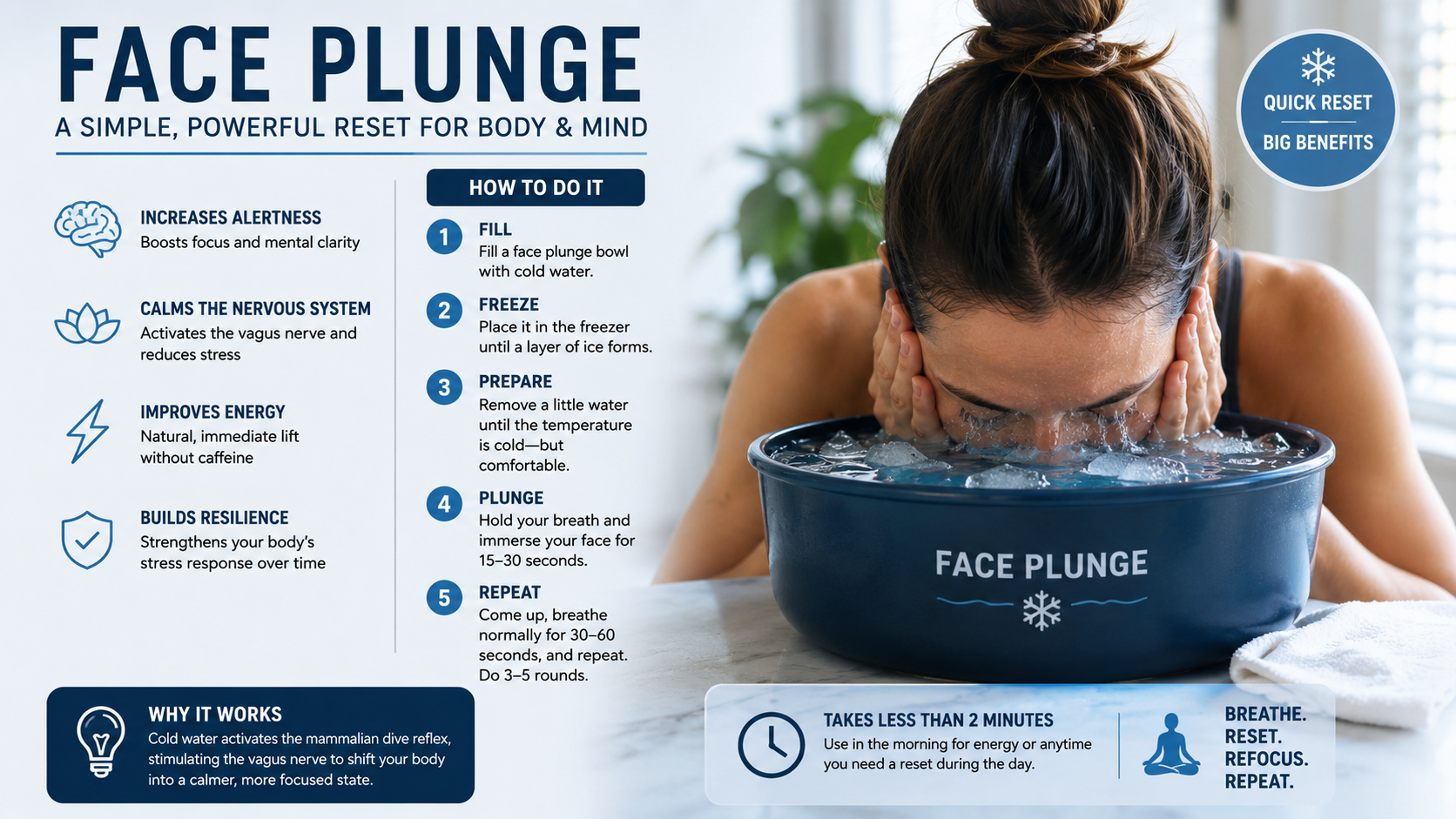
One of my favorite (and easiest) techniques is the cold face plunge.
Briefly immersing your face in cold water activates the mammalian dive reflex, a built-in survival response that stimulates the vagus nerve and helps shift your nervous system into a calmer, more balanced state. Many people notice an immediate improvement in alertness, mental clarity, and focus while simultaneously feeling more relaxed.
You can purchase an inexpensive face plunge bowl online (Amazon has many options). Simply fill it with water, place it in the freezer until a layer of ice forms, then remove a little water until the temperature is cold—but comfortable.
How to Do It
- Fill a face plunge bowl with ice-cold water.
- Hold your breath and immerse your face for 15–30 seconds.
- Come up, breathe normally for 30–60 seconds, and repeat.
- Perform 3–5 rounds.
The entire practice takes just a few minutes and can become a powerful morning ritual or afternoon reset when your energy begins to fade.
