00
DAYS
00
HOURS
00
MINS
00
SECS
Discover What’s Driving Autoimmune Disease!
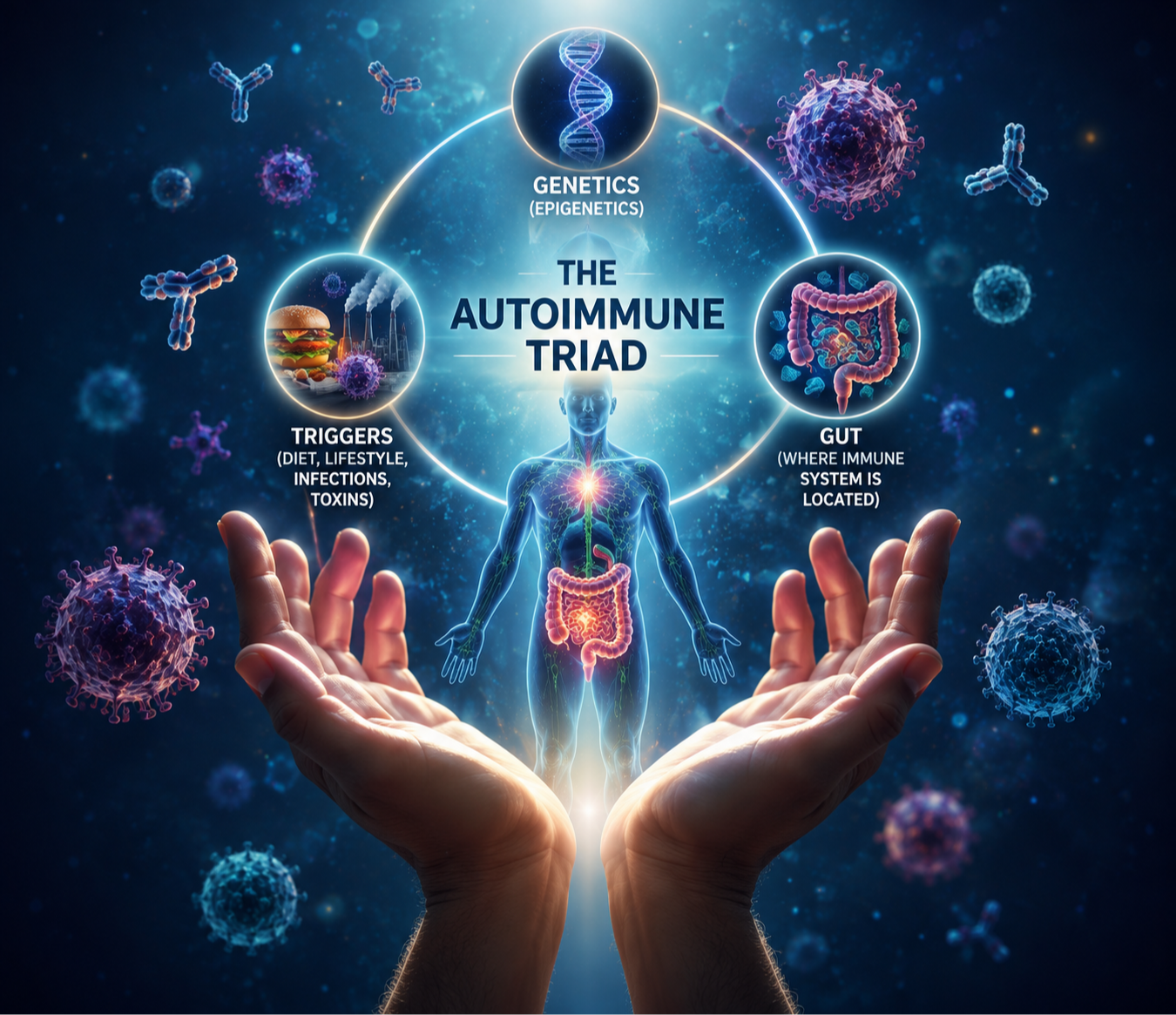
Join us for an eye-opening online webinar exploring the latest science behind autoimmune disease, its underlying drivers, and the surprising connection between autoimmunity and aging. Discover the Autoimmune Triad—genetics and epigenetics, gut health, and environmental triggers—and how these three areas interact to influence immune dysfunction.
We’ll explore the role of diet, lifestyle, infections, toxins, and the gut, while making complex mechanisms like molecular mimicry, immune “friendly fire,” and B- and T-cell confusion easy to understand.
You’ll also learn about cutting-edge diagnostic tools and treatment strategies designed to identify and address contributing factors rather than focusing solely on symptoms.
Whether you’re living with an autoimmune condition, supporting someone who is, or simply interested in prevention and healthy aging, this webinar will give you a new understanding of autoimmunity—and new hope for improving health and quality of life.

Diving into the Autoimmune Triad
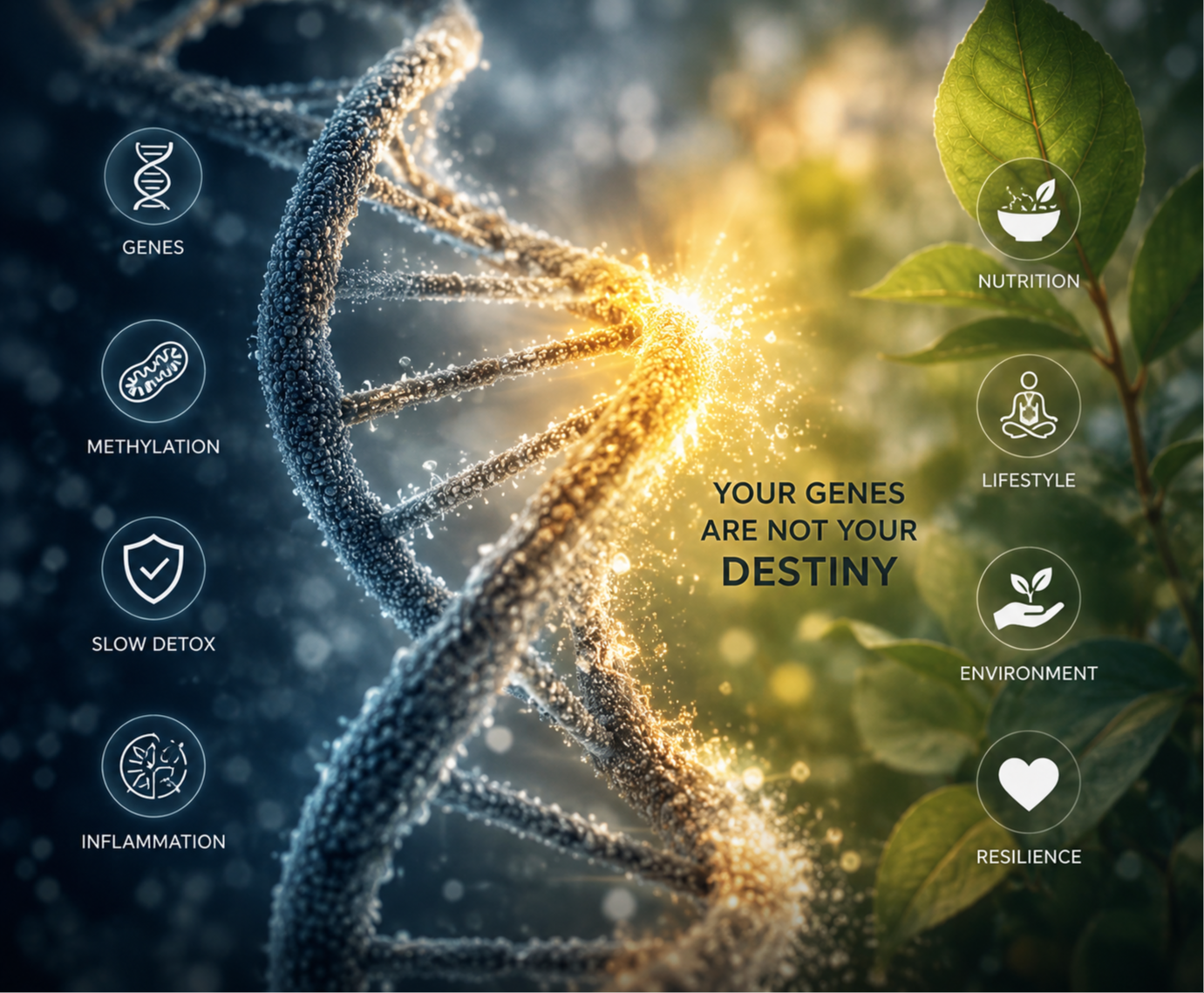
Genetics & Epigenetics: Your Genes Are Not Your Destiny
Genetics can create a predisposition to autoimmune disease, but having certain genes does not mean disease is inevitable. Epigenetics helps explain how diet, lifestyle, stress, toxins, infections, and other environmental factors can influence how our genes behave. Genetic differences may also affect important processes such as methylation, inflammation, nutrient metabolism, and the body's ability to process and eliminate certain toxins. Understanding these vulnerabilities allows us to move beyond simply asking “What genes do I have?” to the more empowering question: “How can I influence how those genes are expressed?”
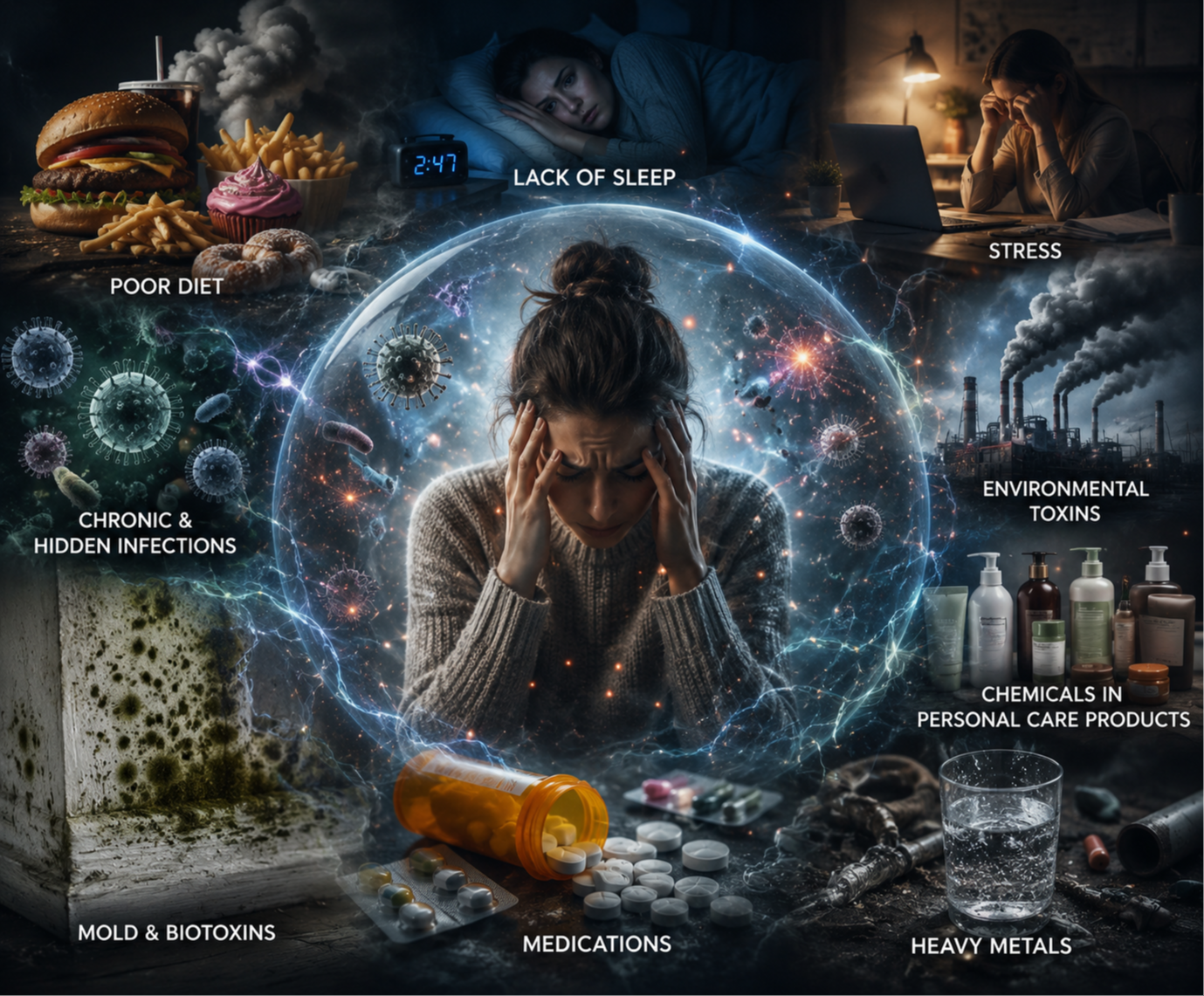
Triggers: What Sets the Immune System Off
Autoimmune disease can be influenced by a wide range of triggers that activate or continually challenge the immune system. Some are obvious—poor diet, lack of sleep, inactivity, and stress—while others can remain hidden for years, including chronic infections, mold and biotoxins, environmental chemicals, heavy metals, and other toxic exposures. These factors can promote inflammation and disrupt normal immune regulation. Identifying and reducing an individual's unique triggers can be an important part of addressing the underlying drivers of autoimmune disease.
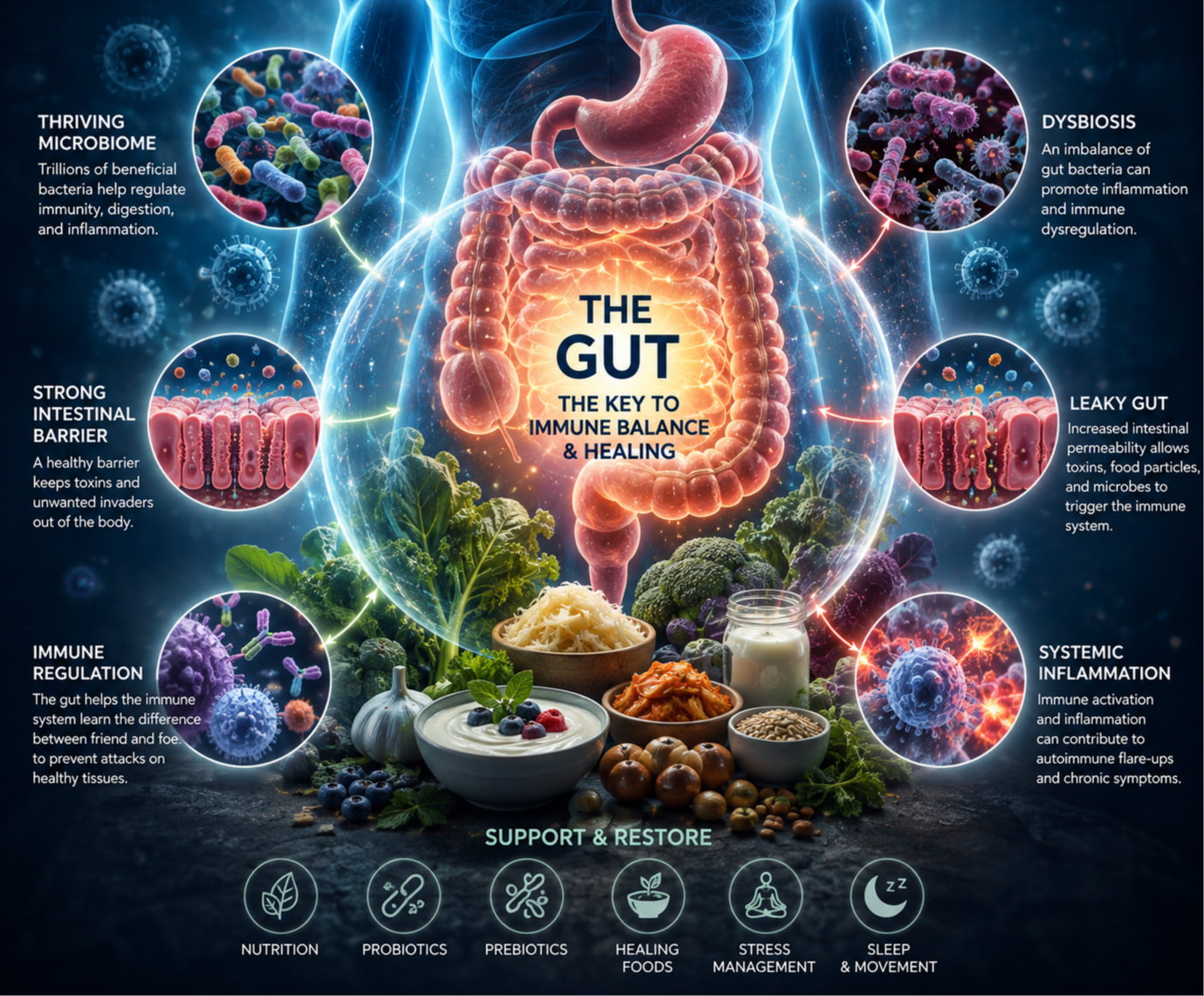
Gut Health: Where the Immune System Meets the World
The gut is far more than a digestive system—it is one of the body’s largest interfaces with the outside world and home to a major portion of our immune activity. The gut microbiome and intestinal barrier work closely with the immune system, helping it distinguish friend from foe while keeping unwanted substances out of circulation. When this delicate ecosystem becomes disrupted through dysbiosis, infections, diet, inflammation, or increased intestinal permeability, immune regulation can suffer. Restoring a healthy gut environment and intestinal barrier is therefore a key part of addressing the underlying drivers of autoimmune disease.
In This Webinar, You’ll Learn:
1. Understand What Autoimmune Disease Really Is
Why does the immune system begin attacking the very body it was designed to protect? We’ll make the complex science of autoimmunity easy to understand, exploring how the immune system normally distinguishes self from non-self and what happens when that process breaks down. You’ll also discover why autoimmune disease is becoming increasingly common and how seemingly different conditions can share many of the same underlying mechanisms.
2. Discover the Autoimmune Triad
Autoimmune disease rarely develops from one factor alone. We’ll introduce the Autoimmune Triad—genetics and epigenetics, environmental triggers, and gut health—and show how these three areas can interact to create the conditions for immune dysfunction. You’ll learn why genetic predisposition does not necessarily mean destiny and how diet, lifestyle, stress, infections, toxins, the microbiome, and intestinal health can influence the expression and progression of autoimmune disease.
3. Uncover the Hidden Mechanisms & Root Causes
We’ll take you beneath the symptoms to explore what may actually be driving immune dysfunction. Discover how concepts such as molecular mimicry, immune “friendly fire,” loss of immune tolerance, B- and T-cell dysfunction, chronic infections, impaired detoxification, and intestinal permeability may contribute to autoimmunity. More importantly, you’ll learn how identifying these underlying patterns can help create a more personalized approach to improving health.
4. Explore Cutting-Edge Diagnostics & Treatment
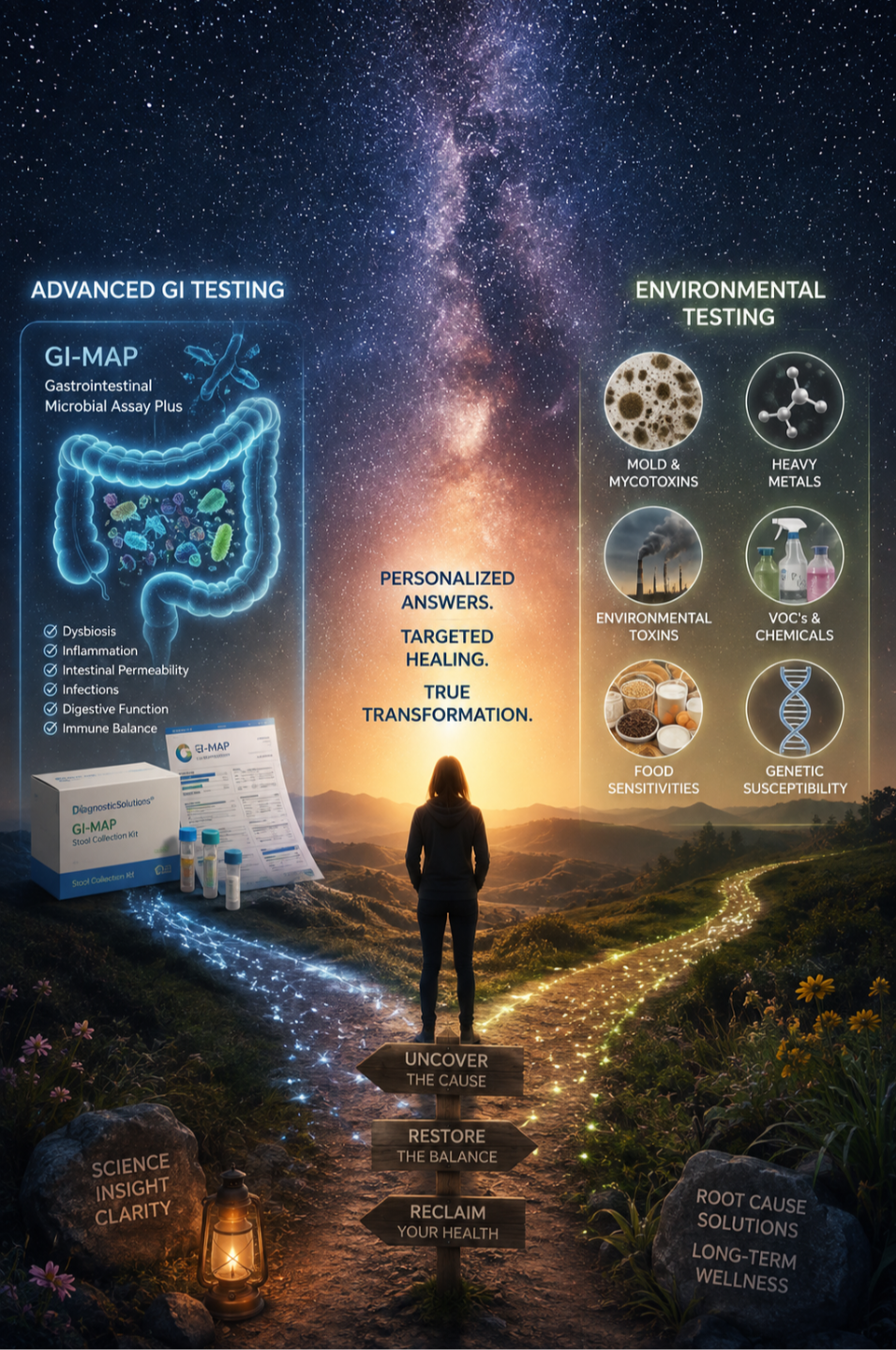
This is where science becomes practical. A major portion of the webinar will explore cutting-edge diagnostic testing and emerging treatment strategies designed to identify and address the individual factors contributing to autoimmune disease. We’ll return to the Autoimmune Triad to examine strategies for supporting healthy gene expression, identifying and reducing triggers, restoring gut health, regulating inflammation, and improving immune balance—while also exploring the fascinating connection between autoimmunity, biological aging, longevity, and chronic disease.

Myths
Myth #1: “Once You Have an Autoimmune Disease, You Always Will.”
An autoimmune diagnosis does not necessarily mean that symptoms and disease activity will always remain the same. While many autoimmune diseases are considered chronic conditions and may not have a recognized cure, disease activity can often fluctuate significantly, and some people achieve periods of remission or greatly reduced symptoms. By identifying and addressing contributing factors—such as gut dysfunction, infections, environmental triggers, nutrition, stress, and lifestyle—it may be possible to improve immune regulation and quality of life. The diagnosis may remain, but it does not have to define your health or your future.
Myth #2: “Autoimmune Disease Is Just a Problem With the Immune System.”
Autoimmune disease involves the immune system, but the story often extends far beyond immunity alone. Genetic susceptibility, gut health, infections, environmental exposures, nutrition, stress, sleep, hormones, and other factors can all influence immune regulation and inflammation. This is why simply asking “How do we suppress the immune response?” may not tell the whole story. By looking at the body as an interconnected system and investigating potential underlying contributors, we can develop a more comprehensive and personalized approach to managing autoimmune disease and improving overall health.
Join my free webinar

Thursday, Sept 10th, 2026 7:00 PM EST
Hi, I’m Dr. Jon Repole—and for over 25 years, I’ve had the honor of helping thousands reclaim their health through a unique blend of functional medicine, holistic health, nutritional consulting, and lifestyle medicine.
Throughout my clinical practice, autoimmune conditions have been some of the most complex—and fascinating—health challenges I encounter. Autoimmune disease is rarely about one isolated problem. Genetics matter. The immune system matters. But so do the gut, nutrition, chronic stress, infections, environmental exposures, toxins, sleep, and the many other factors that influence how the body functions as a whole.
Too often, people receive an autoimmune diagnosis and are left with the impression that the diagnosis itself is the end of the investigation. I believe it should be the beginning of a much deeper conversation:
Why did the immune system become dysregulated, what factors may be contributing to it, and what can we do to improve the terrain in which that immune system is operating?
That is why I created this webinar. We'll explore autoimmune disease through the lens of the Autoimmune Triad—genetics and epigenetics, triggers, and gut health—and use this framework to better understand the underlying factors that may contribute to immune dysfunction.
We’ll also look at some of the fascinating mechanisms behind autoimmunity, explore cutting-edge diagnostic and treatment strategies, and examine the emerging connection between autoimmune disease, chronic inflammation, biological aging, and longevity.
This isn't about promising a miracle cure or suggesting there is one treatment that works for everyone.
It's about asking better questions, looking deeper, and discovering what today's science can teach us about creating the healthiest internal environment possible.
And most importantly, it’s about hope. An autoimmune diagnosis does not mean there is nothing more that can be done. Today, we understand more than ever about the gut, immune regulation, genetics, environmental triggers, inflammation, and the factors that influence how autoimmune disease behaves.
There is so much more we can investigate, so much more we can address, and so much more we can do to help improve health, resilience, and quality of life.